
Discovering Sacred Spaces Exploring the Cultural and Architectural Significance of Monastery Tables
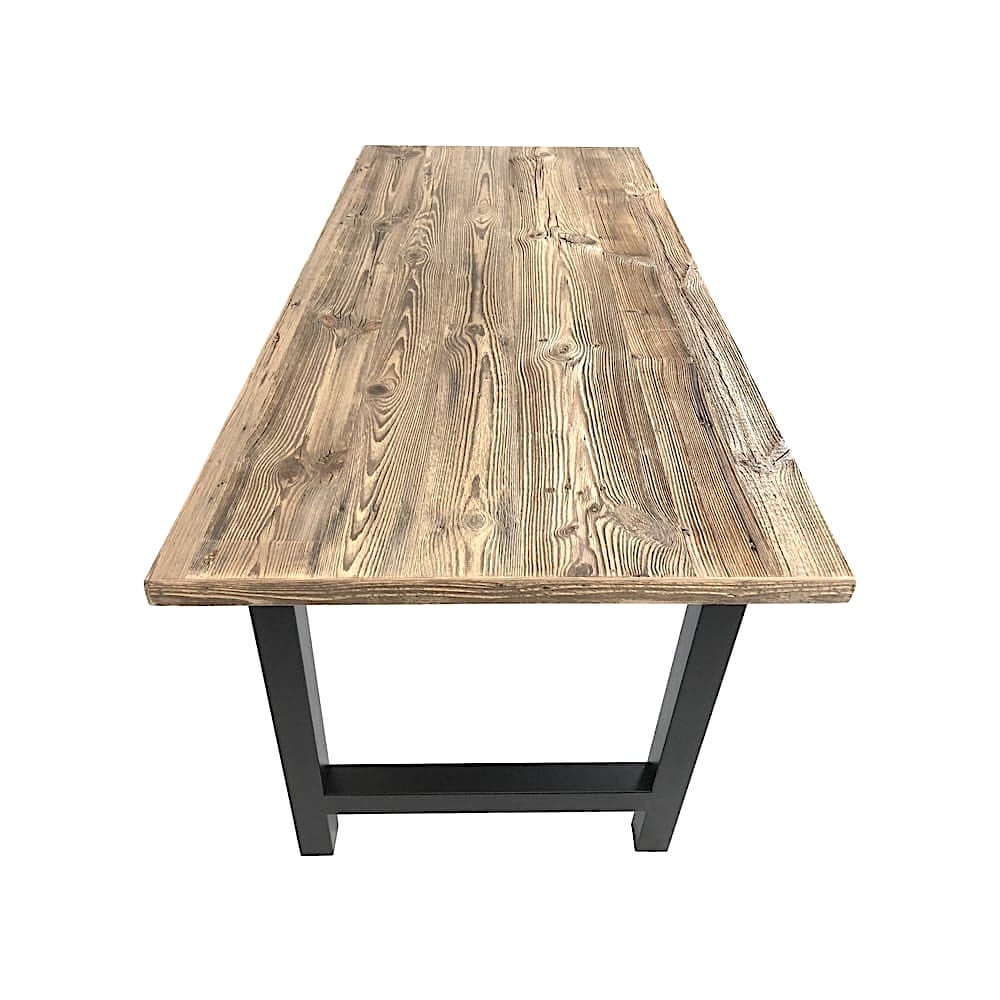
Sacred spaces have always held profound significance in various cultures around the world. Among these spaces, monasteries stand out for their serene environments and spiritual purpose. A central element within these monasteries is the monastery table, which serves not just a functional role but also a cultural and architectural one. This blog will guide you through the importance of monastery table (table monastere), their cultural and architectural significance, and how they contribute to the spiritual atmosphere of these sacred places.
The Role of Monasteries in Cultural Heritage
Monasteries are more than just places of worship; they are repositories of culture, history, and art. They house ancient manuscripts, religious artifacts, and serve as centers for spiritual learning. Monastery tables, often found in dining halls and libraries, are integral to the daily lives of monks and nuns. These tables are where communal meals are shared, prayers are recited, and scriptures are studied, making them central to the monastic experience.
Historical Background of Monastery Tables
The origin of monastery tables dates back to the early days of monasticism. These tables were initially simple, utilitarian pieces of furniture designed to meet the basic needs of monastic communities. Over time, as monasteries grew in wealth and influence, the design of these tables evolved. They became more elaborate, often featuring intricate carvings and decorations that reflected the artistic styles of their time.
Architectural Significance
Monastery tables are not just functional pieces of furniture; they are also architectural elements that contribute to the aesthetic value of monastic spaces. These tables are often made from durable materials like oak or walnut, chosen for their strength and longevity. The craftsmanship involved in creating these tables is exemplary, with each piece meticulously carved and assembled. The design often includes religious symbols and motifs, adding a spiritual dimension to their architectural significance.
Cultural Symbolism
In many cultures, the table is a symbol of community and togetherness. This is particularly true in monasteries, where the communal aspect of monastic life is emphasized. The monastery table serves as a focal point for communal activities, from shared meals to collective prayers. It symbolizes unity, equality, and the shared purpose of the monastic community. Each table is a testament to the values and traditions that define the monastic way of life.
Material and Craftsmanship
The materials used in the construction of monastery tables are carefully selected to ensure durability and aesthetic appeal. Common materials include hardwoods like oak, walnut, and mahogany. These woods are not only strong but also have a rich, natural beauty that enhances the visual appeal of the tables. The craftsmanship involves traditional woodworking techniques passed down through generations, ensuring that each table is a masterpiece of artistry and skill.
Design Elements
The design of monastery tables varies depending on the cultural and historical context of the monastery. Some tables feature simple, clean lines and minimal ornamentation, reflecting the austere lifestyle of the monks. Others are more elaborate, with intricate carvings and inlays that showcase the artistic traditions of the region. Common design elements include religious symbols, geometric patterns, and floral motifs, each adding a layer of meaning and significance to the table.
Functional Aspects
While the aesthetic and symbolic aspects of monastery tables are important, their functionality cannot be overlooked. These tables are designed to be sturdy and practical, capable of withstanding daily use by large communities. They are often large enough to accommodate many people, with benches or chairs arranged around them to facilitate communal activities. The functional design ensures that the tables can serve their intended purpose effectively while also contributing to the overall ambience of the monastery.
Impact on Monastic Life
Monastery tables play a crucial role in the daily lives of monks and nuns. They are where communal meals are shared, fostering a sense of unity and fellowship. They serve as study tables for reading scriptures and religious texts, supporting the intellectual and spiritual growth of the monastic community. The tables also provide a space for group activities like crafting and writing, making them essential to the holistic development of the individuals in the monastery.
Preservation and Restoration
Many ancient monastery tables have been preserved and restored to maintain their historical and cultural significance. Preservation efforts involve careful cleaning, repair, and sometimes replication of original designs to ensure that these tables can continue to be appreciated for generations to come. Restoration experts use traditional techniques and materials to maintain the authenticity of the tables, ensuring that their historical and cultural value is preserved.
Modern Interpretations
In contemporary times, the design and use of monastery tables have evolved to suit modern needs while maintaining their traditional significance. Modern interpretations of these tables can be found in various settings, including homes, offices, and public spaces. These tables often blend traditional design elements with modern functionality, creating pieces that are both beautiful and practical. The enduring appeal of monastery tables lies in their ability to adapt to changing times while preserving their cultural and architectural significance.
Incorporating Monastery Tables in Modern Spaces
For those inspired by the beauty and significance of monastery tables, incorporating them into modern spaces can be a way to bring a touch of history and spirituality into everyday life. These tables can serve as dining tables, conference tables, or even statement pieces in living rooms or libraries. Their timeless design and craftsmanship make them versatile additions to any space, offering both aesthetic and functional value.
Conclusion
Monastery tables are more than just pieces of furniture; they are cultural artifacts that embody the history, artistry, and spiritual significance of monastic life. From their historical origins to their modern interpretations, these tables continue to play an essential role in the daily lives of those who use them. By appreciating and preserving these sacred spaces, we can gain a deeper understanding of the cultural and architectural heritage they represent.
For more insights into the world of sacred spaces and how to incorporate elements like monastery tables into your own space, consider reaching out to our team of experts. We offer personalized consultations and recommendations to help you create a space that reflects your values and aesthetic preferences.