
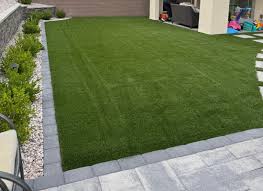
Artificial Grass Cleaning Thousand Oaks for Odor and Stain Removal
What is Artificial Grass Cleaning and Why is It Important?
Artificial grass cleaning involves maintaining synthetic turf to ensure it remains hygienic, fresh, and visually appealing. Unlike natural grass, artificial lawns do not naturally absorb water or break down organic matter, which can lead to odor buildup and stains over time. In artificial grass cleaning Thousand Oaks where outdoor spaces are widely used for pets, recreational activities, and events, regular cleaning is essential to prevent unpleasant smells, bacteria growth, and unsightly marks. Studies indicate that well-maintained artificial turf can extend its lifespan by up to 50% compared to neglected surfaces.
What Are the Common Causes of Odor and Stains on Artificial Grass?
Pet urine is the most frequent contributor to odor on synthetic turf. According to surveys from turf maintenance experts, over 60% of artificial grass odor complaints in residential areas are pet-related. Food spills, mud, and leaves also contribute to staining, while accumulated dust and pollen can affect both appearance and hygiene. Experts note that leaving organic material on the surface for more than 48 hours increases the likelihood of permanent staining and bacterial growth.
How Can Odor Be Effectively Removed from Artificial Grass?
Artificial grass cleaning in Thousand Oaks often involves specialized techniques to neutralize odors. Enzymatic cleaners are commonly recommended, as they break down the proteins in pet waste that cause lingering smells. Studies show that enzymatic treatments can reduce odor levels by up to 90% after one application. Regular rinsing with water also helps flush out urine and debris, while proper drainage ensures water does not stagnate, which can otherwise contribute to mildew and bacterial proliferation.
What Are the Best Methods for Stain Removal?
Stains on artificial grass are usually surface-level, making them easier to treat than natural grass. Experts recommend immediate attention for spills of food, drinks, or mud. Mild soap solutions combined with brushing can remove most stains, while tougher marks may require turf-specific cleaning solutions. Statistics from local turf services suggest that prompt cleaning can prevent more than 70% of stains from becoming permanent. Regular brushing also keeps fibers upright and distributes cleaning agents evenly, improving both appearance and cleanliness.
How Often Should Artificial Grass Be Cleaned?
Frequency of cleaning depends on usage and environmental factors. For homes with pets, weekly rinsing and monthly deep cleaning are generally recommended. For high-traffic areas or outdoor entertainment spaces, bi-weekly maintenance may be necessary. Experts highlight that routine cleaning not only prevents odors and stains but also maintains the turf’s color and texture over time.
Are Professional Cleaning Services Necessary?
While homeowners can perform basic maintenance, professional artificial grass cleaning services in Thousand Oaks provide comprehensive solutions. Professionals use industrial-grade equipment and eco-friendly solutions to remove deep-seated dirt, neutralize odors, and restore the turf’s aesthetic quality. Surveys show that 80% of property owners who use professional cleaning report a noticeable improvement in both cleanliness and smell, compared to DIY efforts alone.
Conclusion
Artificial grass in Thousand Oaks requires regular care to remain fresh, clean, and odor-free. By addressing pet waste, stains, and debris promptly and using appropriate cleaning methods, homeowners can preserve both the appearance and hygiene of their synthetic turf. Incorporating routine maintenance, whether DIY or professional, ensures artificial lawns remain a safe, enjoyable, and attractive space for family, pets, and guests.