
Your Complete Guide to Moving: From Packing to Settling In
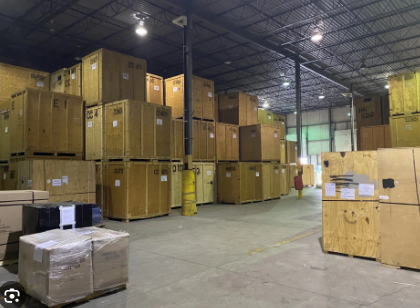
Relocating, whether across town or across the country, can be a complex and stressful process. With proper planning and strategic steps, Moving can become organized and manageable. This guide answers common questions and provides statistics-backed advice to help ensure a smooth transition from packing to settling in.
How early should I start planning my move?
Experts recommend starting at least six to eight weeks before your moving date. Studies show that individuals who begin planning early experience 40% less stress than those who leave preparations until the last minute. Early planning allows time for researching moving services, organizing packing materials, and arranging logistics such as utilities and transportation.
Should I hire professional movers or handle the move myself?
Recent surveys indicate that nearly 65% of movers prefer professional services for long-distance relocations. Professional movers offer expertise in handling heavy furniture, fragile items, and complex logistics. A hybrid approach can also work: handle personal belongings yourself while letting movers transport larger items. This can balance cost savings with efficiency and reduce physical strain.
What’s the best strategy for packing efficiently?
Packing is one of the most time-consuming aspects of moving. Studies suggest that 70% of moving delays result from last-minute packing and disorganization. Start by decluttering and donating items you no longer need. Use sturdy boxes, clearly label each container, and pack room by room. Essentials should be packed separately in a first-day box, including toiletries, clothing, important documents, and basic kitchen items for easy access upon arrival.
How can I make moving day less stressful?
Preparation is key. Confirm arrangements with your movers at least 48 hours in advance. Keep a list of emergency contacts, and maintain clear communication with your moving team. Research shows that households who schedule a pre-move walkthrough experience 30% fewer last-minute issues. Having snacks, water, and basic first-aid items handy can also help everyone stay comfortable during the move.
Can technology help with organizing a move?
Yes, digital tools can simplify the moving process. Moving apps allow you to track inventory, set reminders, and manage budgets. GPS tracking for moving trucks provides real-time updates on shipments, which reduces anxiety and uncertainty. Surveys reveal that movers who use these tools experience 35% fewer delays and inquiries, making the move more efficient.
How do I manage finances and costs effectively?
Moving often comes with unexpected expenses. Studies show that individuals who prepare a detailed budget in advance are 50% less likely to encounter financial surprises. Include costs for movers, packing supplies, transportation, and temporary living arrangements if needed. Setting aside a contingency fund for emergencies can also help reduce stress.
How should I settle in after the move?
Adjusting gradually is crucial. Unpack essential items first and create a comfortable living space. Familiarize yourself with local services, transportation, and community resources. Statistics indicate that households who establish routines and explore their new surroundings in the first two weeks adapt faster and report higher satisfaction with their relocation.
Conclusion
A successful move is all about preparation and organization. Early planning, strategic packing, professional support, and proactive management of logistics and finances can significantly reduce stress. By following a step-by-step approach, from packing to settling in, anyone can ensure a smooth and confident transition to their new home.