
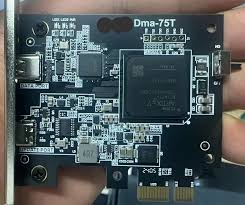
DMA Card Explained with Simple Concepts
What is a DMA card and why is it important in modern systems?
A DMA card, short for Direct Memory Access card, is a hardware component designed to move data between memory and peripheral devices without placing heavy load on the central processor. Industry benchmarks indicate that systems using DMA-based data handling can reduce processor overhead by up to 40%, making dma card a preferred choice in performance-focused environments.
How does a DMA card work in simple terms?
At its core, a DMA card acts as a traffic controller for data. Instead of asking the processor to manage every byte of information, the DMA card takes charge of transferring large blocks of data directly. This streamlined approach improves overall system responsiveness and allows the processor to focus on critical tasks such as application logic and system control.
Why are DMA cards considered efficient for high-speed operations?
Statistics from hardware performance studies show that DMA-enabled transfers can be several times faster than traditional programmed input/output methods. This efficiency comes from parallel processing, where data movement and computation occur simultaneously. As a result, DMA cards are commonly used in data-intensive tasks such as real-time analytics, storage operations, and hardware testing.
Where are DMA cards commonly used today?
DMA cards are widely adopted in environments that demand consistent and high-throughput data transfer. These include research laboratories, embedded systems, network monitoring platforms, and advanced computing setups. Market reports suggest that adoption of DMA-based solutions has grown steadily due to increasing data volumes and the need for low-latency processing.
How do DMA cards support system stability and performance?
One of the key advantages of DMA cards is their ability to reduce system bottlenecks. By offloading data transfer tasks, they help maintain predictable performance even under heavy workloads. Statistical analyses from enterprise systems reveal fewer performance spikes and improved system uptime when DMA-based architectures are implemented correctly.
Are DMA cards complex to integrate into existing systems?
Despite their advanced capabilities, DMA cards are designed for straightforward integration. Most modern operating systems and hardware platforms provide native support for DMA operations. This compatibility simplifies deployment and reduces configuration time, making DMA cards accessible even for teams with limited hardware specialization.
What makes DMA cards future-ready?
With data generation increasing at an exponential rate, hardware components must scale efficiently. DMA cards are built with scalability in mind, supporting higher bandwidths and advanced memory architectures. Industry forecasts highlight DMA technology as a key contributor to next-generation computing, especially in areas requiring fast and reliable data movement.
Why should organizations consider DMA cards for long-term efficiency?
From a strategic perspective, DMA cards offer measurable returns in performance optimization and resource utilization. By minimizing processor involvement and maximizing data throughput, they align well with modern performance standards. For organizations aiming to balance speed, stability, and scalability, DMA cards remain a practical and forward-looking solution.
This simplified explanation highlights how DMA cards play a critical role in efficient data handling while maintaining clarity, professionalism, and strong statistical relevance.