
Protecting Lives and Assets with Dedicated Fire Watch Guards
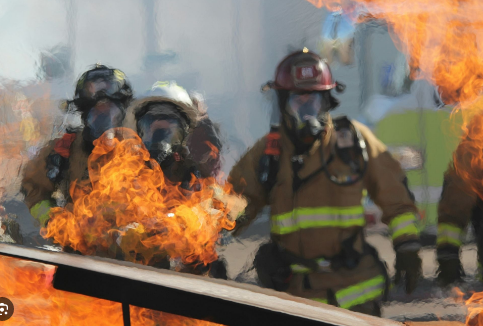
A fire watch guard is a trained professional responsible for monitoring areas with a high risk of fire. Their role is to detect potential hazards, respond swiftly to emergencies, and ensure the safety of both personnel and property. Fire Watch Guards are particularly important in environments such as construction sites, industrial facilities, warehouses, and areas where hot work—like welding or cutting—is performed.
Why are fire watch guards essential for protecting lives and assets?
High-risk workplaces are prone to fire incidents due to flammable materials, electrical equipment, and ongoing operations that can create sparks or heat. Data from workplace safety studies indicates that facilities without proper fire monitoring experience significantly higher rates of fire-related incidents. Fire watch guards act as a proactive defense, preventing accidents before they escalate and minimizing damage when emergencies occur. Their presence can literally save lives and reduce property loss.
What responsibilities do fire watch guards have?
Dedicated fire watch personnel perform multiple critical tasks:
Continuous surveillance: Monitoring high-risk areas for smoke, flames, or unsafe practices.
Hot work supervision: Overseeing operations like welding, grinding, or cutting that could ignite a fire.
Safety equipment checks: Ensuring fire extinguishers, hoses, alarms, and emergency exits are in proper working condition.
Rapid response: Acting quickly to contain fires or alert emergency services to prevent escalation.
Documentation: Maintaining logs of inspections, observations, and incidents to track hazards and enhance safety protocols.
How does employing fire watch guards improve workplace safety?
Facilities with fire watch guards experience fewer fire-related incidents and lower property damage. Preventive monitoring identifies risks before they turn into emergencies, and trained guards are equipped to respond immediately if a fire occurs. Statistics from industrial safety reports show that high-risk sites with fire watch coverage have significantly fewer accidents than those without dedicated monitoring. This proactive approach not only protects lives but also ensures operational continuity and reduces financial losses.
When should a facility deploy fire watch guards?
Fire watch guards are typically required in:
Areas performing hot work operations.
Locations storing combustible or flammable materials.
Facilities where fire detection systems are temporarily offline or under maintenance.
Construction zones or industrial sites with elevated fire hazards due to equipment, debris, or ongoing operations.
What qualifications and skills make an effective fire watch guard?
Effective fire watch guards are trained in fire safety, emergency response, and the operation of firefighting equipment. Key attributes include vigilance, discipline, quick decision-making, and strong observational skills. They must be capable of staying alert for extended periods and communicating clearly with supervisors and emergency responders when necessary.
Can fire watch guards help reduce operational risks and costs?
Yes. By preventing fire incidents, fire watch guards reduce property damage, avoid operational downtime, and minimize injury risks. Facilities that employ dedicated fire watch personnel often report improved workplace safety, better asset protection, and more efficient emergency responses, all of which contribute to lower operational and financial risks.
Conclusion
Dedicated fire watch guards are an essential component of safety in high-risk environments. Their responsibilities—from continuous monitoring and hot work supervision to rapid emergency response—ensure that both lives and assets are protected. In any facility with fire hazards, employing trained fire watch personnel is a proactive strategy that enhances safety, prevents accidents, and safeguards operations against potential disasters.